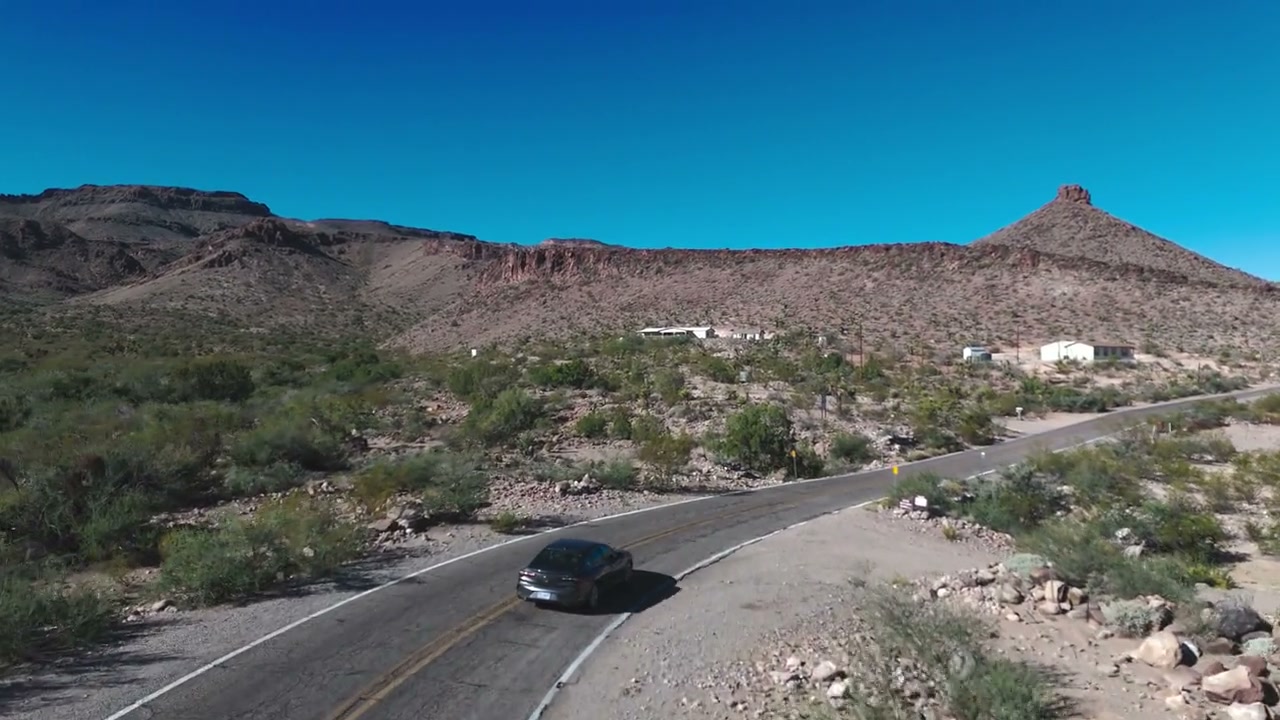
Aerial work used to mean carrying separate gear for a wide establishing shot and a tight, compressed one. The DJI Air 3's dual-camera system, a wide lens and a 3x medium tele lens on the same airframe, collapses that into a single flight. That single change is what made drone coverage a real part of this business instead of an occasional add-on.
Two focal lengths, one battery
The practical value shows up mid-flight. A wide shot establishing the venue, then a punch-in to a tighter frame on the same pass, without swapping drones or landing to change a lens. That's the difference between covering a shoot the way it deserves and rationing battery time between two different setups. The road-trip footage and stadium fly-throughs on this site were both shot this way: wide for scale, tele for the moment that needed it.
Where it actually gets used
Aerial isn't the whole story on most jobs. It's the establishing shot that sets the scene before the ground-level coverage takes over, or the closing shot that gives an edit a sense of place. A stadium exterior before kickoff, a wide tracking shot on a road trip, a rooftop reveal before a video cuts to interviews. That's the job the Air 3 does well, and it does it without the shoot needing a second person or a second day.
The honest limits
It's not a cinema drone, and it doesn't try to be. Wind sensitivity, legal airspace restrictions near stadiums, and daylight-only flight rules all shape what's realistic to plan. Knowing those limits ahead of a shoot, instead of discovering them on-site, is most of what makes aerial coverage feel planned instead of improvised.